
Last updated
How Often Does a Septic Tank Need Pumping?
The honest answer: it depends on how many people live in the house and how big the tank is. A 1,000 gallon septic tank is typically pumped every 3 to 5 years, driven by tank size and household size, not by a calendar date. A family of six fills a tank faster than a couple living alone, and heavy laundry days or a garbage disposal running constantly both speed things up. If you're not sure when your tank was last serviced, septic tank pumping cost in Charleston runs from $150 to $300 for a standard day-rate visit, and getting it checked now beats guessing wrong later. Charleston Porta Pros can also walk you through the septic tank warning signs worth watching between pumpings. For homes further out, septic pumping service crews cover Charleston and drive out to Sullivan's Island, 8.1 miles south, and James Island, 6.8 miles south, on the same routes. If your system serves a business instead of a house, check how often to pump a septic tank for use-based guidance, since commercial volume changes the math entirely.
What Are the Warning Signs a Tank Needs Pumping?
Slow drains in more than one fixture at once, gurgling in the pipes, and standing water or a sour smell near the drain field all point to a tank that's full or close to it. Don't wait for sewage to back up into the house. Charleston Porta Pros treats a backed-up tank as an emergency and can get a truck out fast through emergency septic service. A soggy patch of lawn over the tank, especially after dry weather, is another sign worth acting on. If your property runs a grease interceptor instead of a standard tank, it needs pumping once fats, oils, grease and solids reach 25 percent of the liquid depth, and grease trap pumping follows a different schedule entirely from residential septic. Homeowners in Charleston sometimes confuse a full tank with a clogged line. If plunging and snaking don't fix a slow drain, the problem is usually downstream in the tank, not in the pipe. Reading up on septic tank warning signs before you call saves time on the phone, since the dispatcher will ask what you're seeing.

What Does a Septic Pumping Service Include?
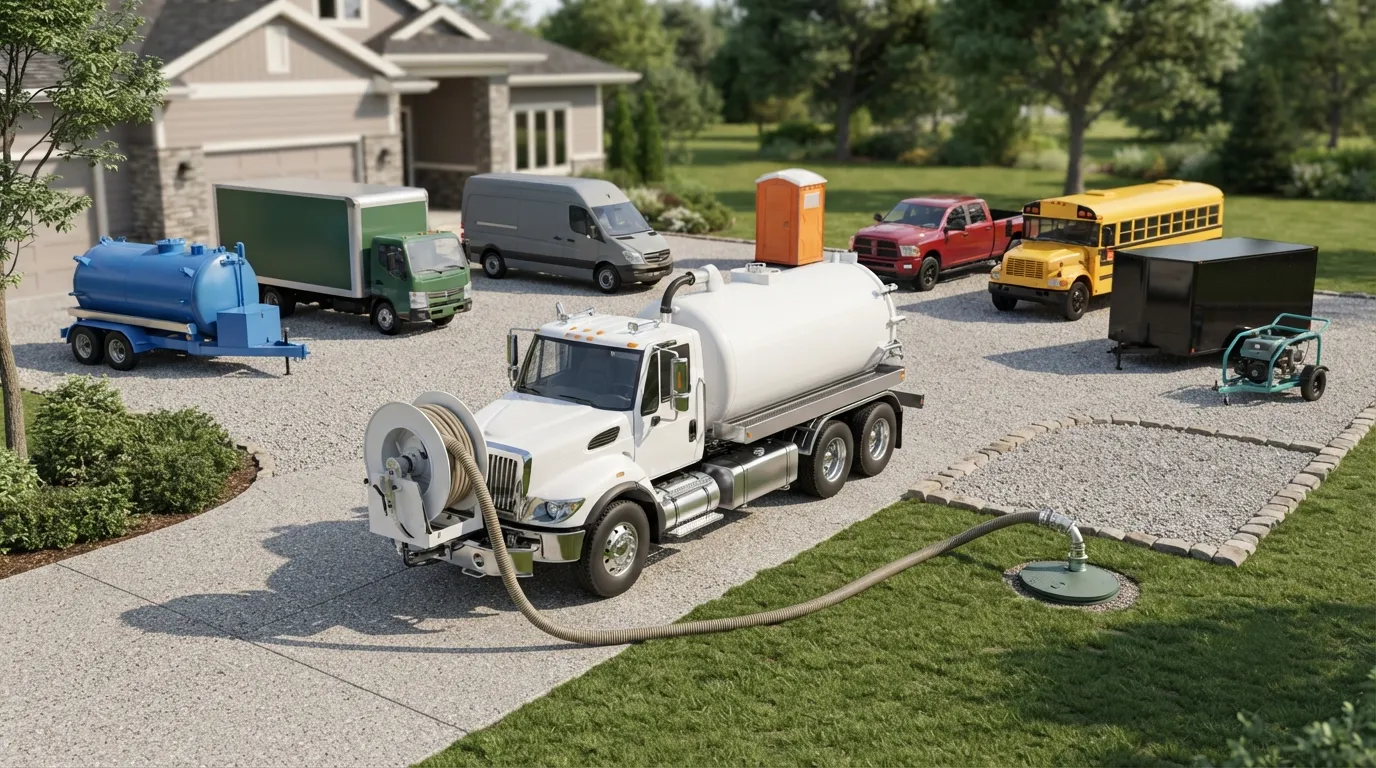
A standard visit means locating the tank, opening the access lid, pumping the solids and liquid out with a vacuum truck, and doing a quick visual check of the baffles and tank walls. Charleston Porta Pros also checks the inlet and outlet for blockages while the tank is open, since that's the easiest time to catch a problem before it becomes a backup. This isn't a full inspection or a repair visit. It's a pump-out, and if something looks wrong, the crew will tell you so you can plan next steps through septic tank cleaning or a follow-up. Some properties need risers installed so the lid isn't buried under a foot of soil every visit; ask about that up front. Pricing follows the septic tank pumping cost table below, and most single-family jobs in Charleston fall into the standard day-rate band. If your system also includes a holding tank rather than a drain field, that's a different service covered under holding tank rental, and it gets scheduled separately from a straight pump-out.

How Much Does Septic Tank Pumping Cost?
| service | duration | low | typical | high |
|---|---|---|---|---|
| septic pumping | day | $150 | $250 | $300 |
| septic pumping | weekend | $50 | $100 | $150 |
A standard day-rate pump-out in Charleston runs $150 to $300, with most jobs landing around $250. Weekend service, when it's scheduled ahead rather than dispatched as an emergency, runs $50 to $150 on top of the base visit. These figures cover a typical 1,000 gallon residential tank; larger tanks or ones that haven't been pumped in longer than 5 years sometimes take more time on site, which can push a job toward the higher end of the band. For a full cost breakdown by tank size and access difficulty, see septic tank pumping cost. If you're comparing this against other site services on a construction job, porta potty rental cost and dumpster rental cost run on similar day-rate logic. Charleston Porta Pros quotes the visit after a quick phone conversation about tank size, last pump date, and driveway access, since a truck needs clear space to park close enough to the tank.
Does Charleston Porta Pros Offer Holding Tank Service?
Yes. A holding tank is different from a septic system. It has no drain field and holds everything until it's pumped out, so it fills faster and needs more frequent service depending on use. Charleston Porta Pros services holding tanks for construction sites, events, and properties without a working septic field, and rental units are available through holding tank rental for job sites that need temporary capacity. This comes up often on renovation projects where the existing system is disconnected mid-job; pairing a holding tank with a home renovation porta potty keeps a site functional while the septic work is underway. Farms and agricultural operations with hand-labor crews have their own sanitation requirements under OSHA 1928.110, which calls for potable water, toilets and handwashing within a quarter mile walk of the work area, and a holding tank can anchor that setup. See farm and agricultural restrooms for how that pairs with sanitation on working land around Charleston.
What Happens in a Septic Emergency?
A backed-up tank, a sewage smell inside the house, or standing wastewater in the yard all count as emergencies, and Charleston Porta Pros dispatches for these outside normal scheduling. Emergency septic service gets a truck moving as soon as the call comes in, because a tank that's overflowing doesn't wait for a convenient appointment. Charleston households dealing with a sudden backup should stop using water in the house immediately, since every flush and load of laundry adds to a tank that's already full. Emergency response covers Charleston directly, with crews also reaching Hanahan, 6.0 miles east, and Goose Creek, 8.4 miles east, on the same day when schedules allow. If the emergency is tied to a construction site rather than a home, construction site services bundles septic response with other job-site needs like temporary power pole and light tower rental setups that often go down together during a storm.
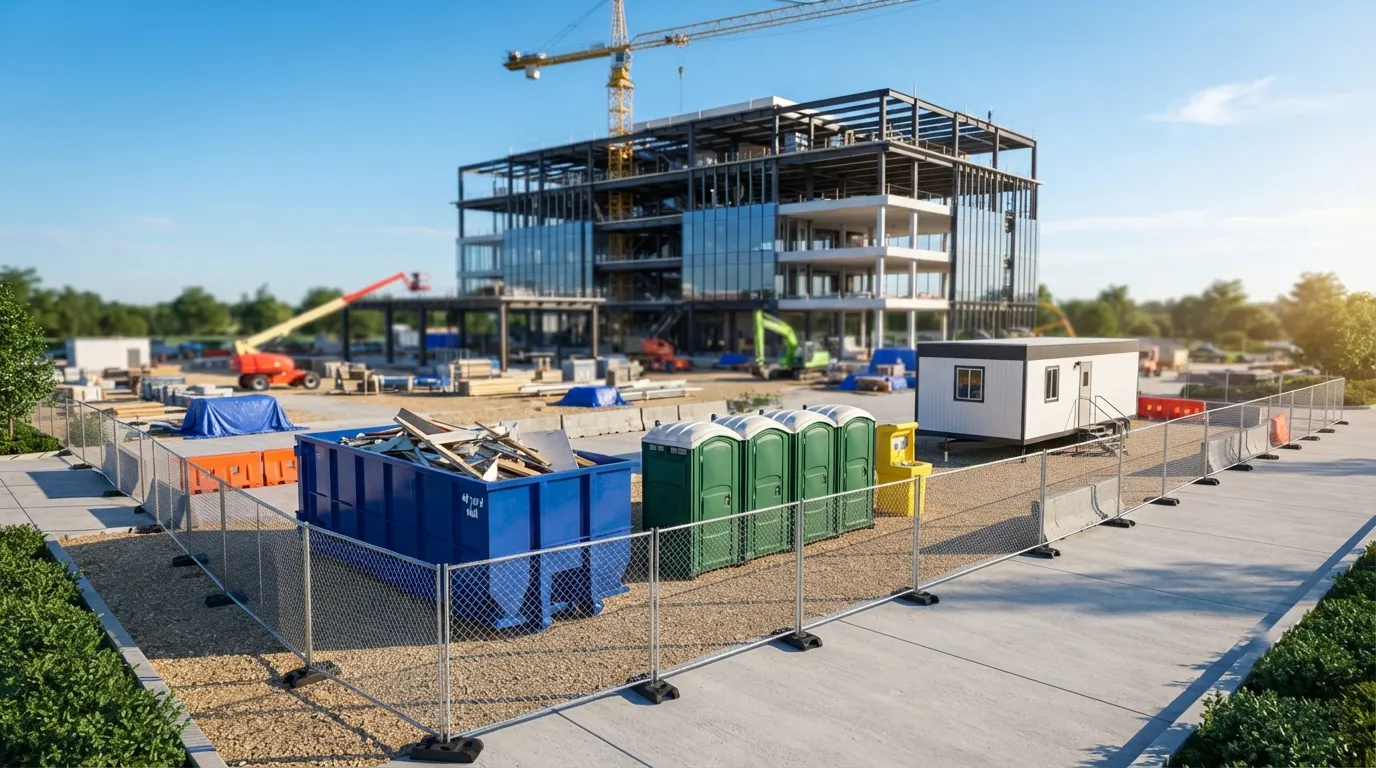
Charleston Porta Pros handles septic pumping alongside the rest of its site services lineup, and a lot of customers end up needing more than one thing at once. A construction crew mid-build might need a construction dumpster rental and a porta john rental on the same job where the septic system is being serviced. A homeowner hosting an outdoor event while their septic field recovers might look at event restroom rental or wedding restroom rental as a short-term fix. Whatever the mix, request a quote covers all of it in one call, and the service areas page lists everywhere Charleston Porta Pros runs routes, including Summerville, 10.4 miles southwest. For general questions about how the company operates, about and contact have the details, and frequently asked questions covers the rest.
How much does a 1,000 gallon septic tank pumping cost?
A standard day-rate pump-out for a 1,000 gallon tank in Charleston runs $150 to $300, typically around $250. Larger tanks, difficult access, or tanks that haven't been serviced in over 5 years can push costs toward the higher end. See septic tank pumping cost for a full breakdown.
How do I know if my septic tank is full?
Slow drains across multiple fixtures, gurgling pipes, sewage odor near the drain field, and unusually soggy grass over the tank are the clearest signs. Don't wait for a full backup. Check septic tank warning signs or call for emergency septic service if water is already backing up.
Can I pump my own septic tank?
No, this isn't a DIY job. Pumping requires a vacuum truck, proper waste disposal, and knowledge of tank structure to avoid damaging baffles or the tank itself. Charleston Porta Pros handles the equipment and disposal so you don't have to.
Is septic pumping different from septic tank cleaning?
Pumping removes liquid and solids from the tank. Cleaning can include a closer inspection of tank walls, baffles, and inlet or outlet lines. Most routine visits are pump-outs; ask about a full septic tank cleaning if it's been several years since a thorough check.
How often should a grease trap be pumped?
A grease interceptor needs pumping once fats, oils, grease and solids reach 25 percent of the liquid depth, which varies by kitchen volume. Restaurants and commercial kitchens in Charleston should check this on a regular schedule rather than waiting for a slowdown. See grease trap pumping.
What's the difference between a septic tank and a holding tank?
A septic tank connects to a drain field and processes wastewater on site. A holding tank has no drain field and simply stores waste until it's pumped, so it fills faster and needs more frequent service. Details are on holding tank rental.
Next step
Get a delivery date
Tell us the address, the dates and the headcount. We size the order and confirm the route.